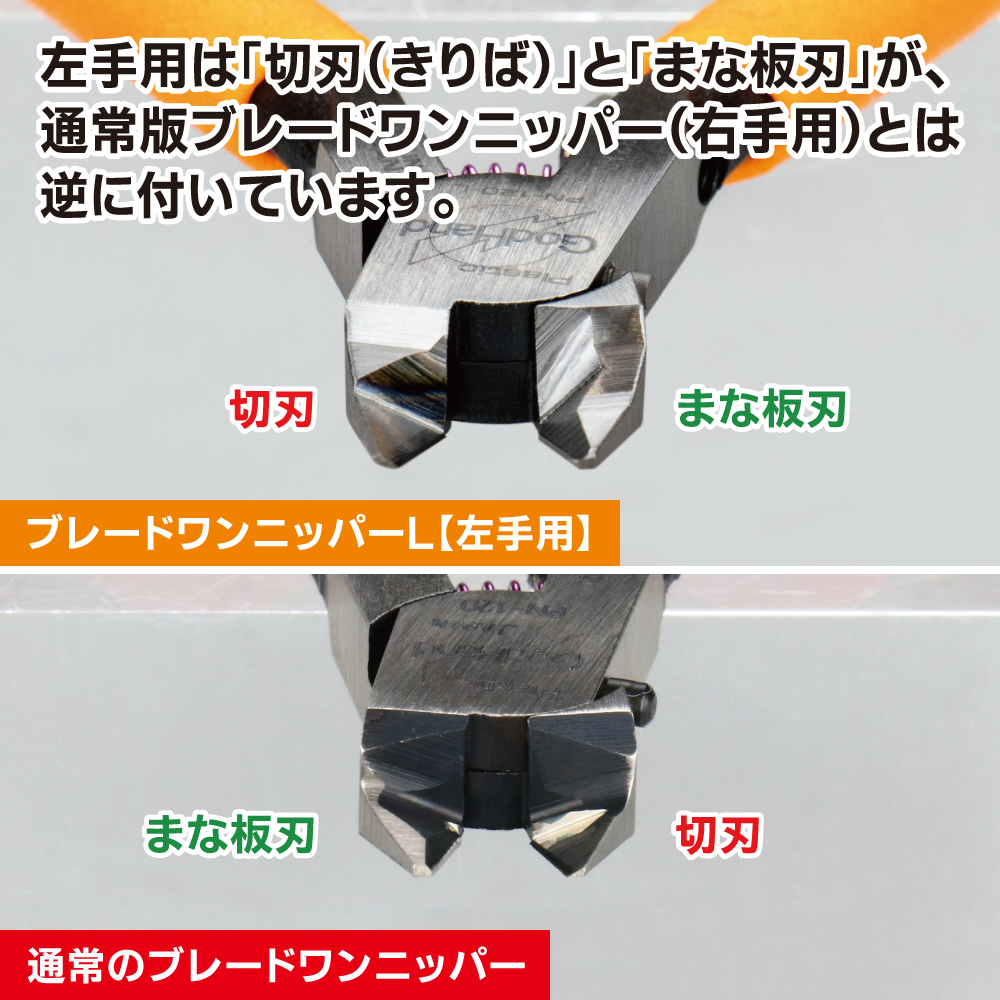
A Left-Handed Blade One Nipper with Reversed Cutting Edge and Blunt Edge for Easy Left-Handed Use!
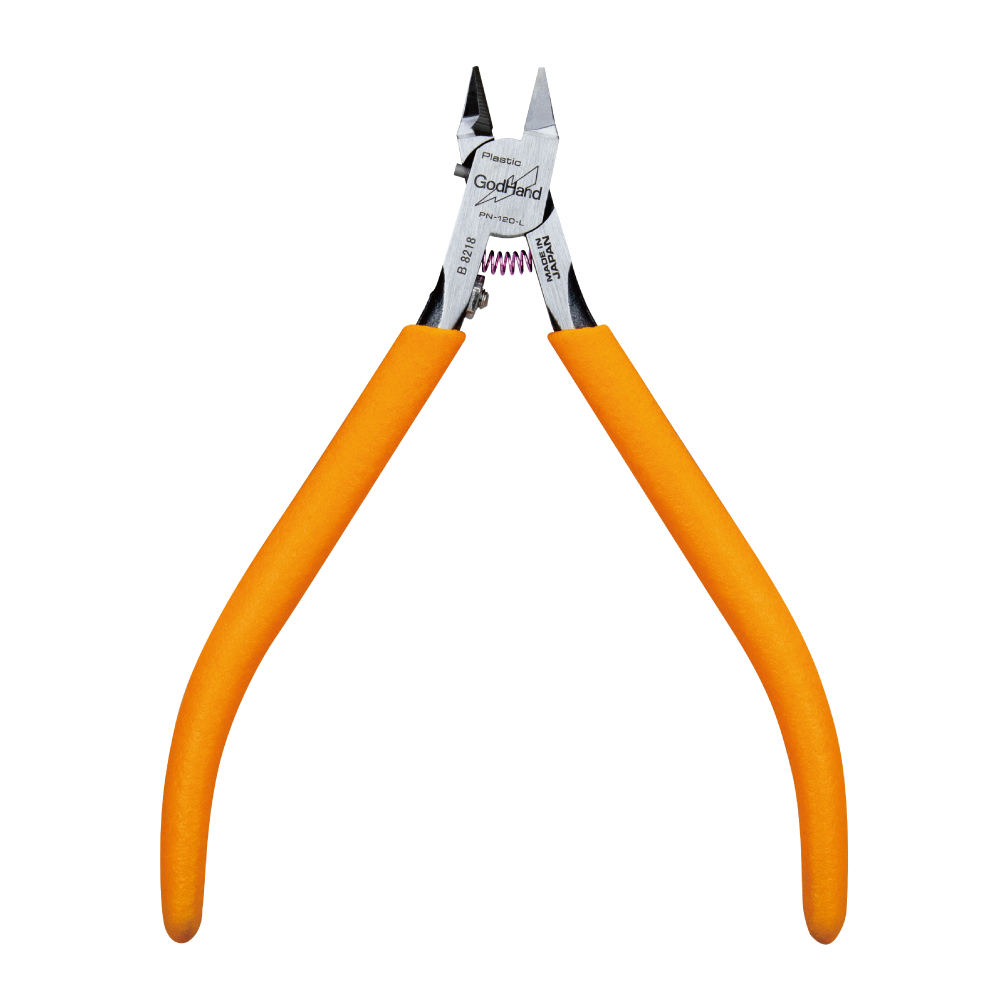
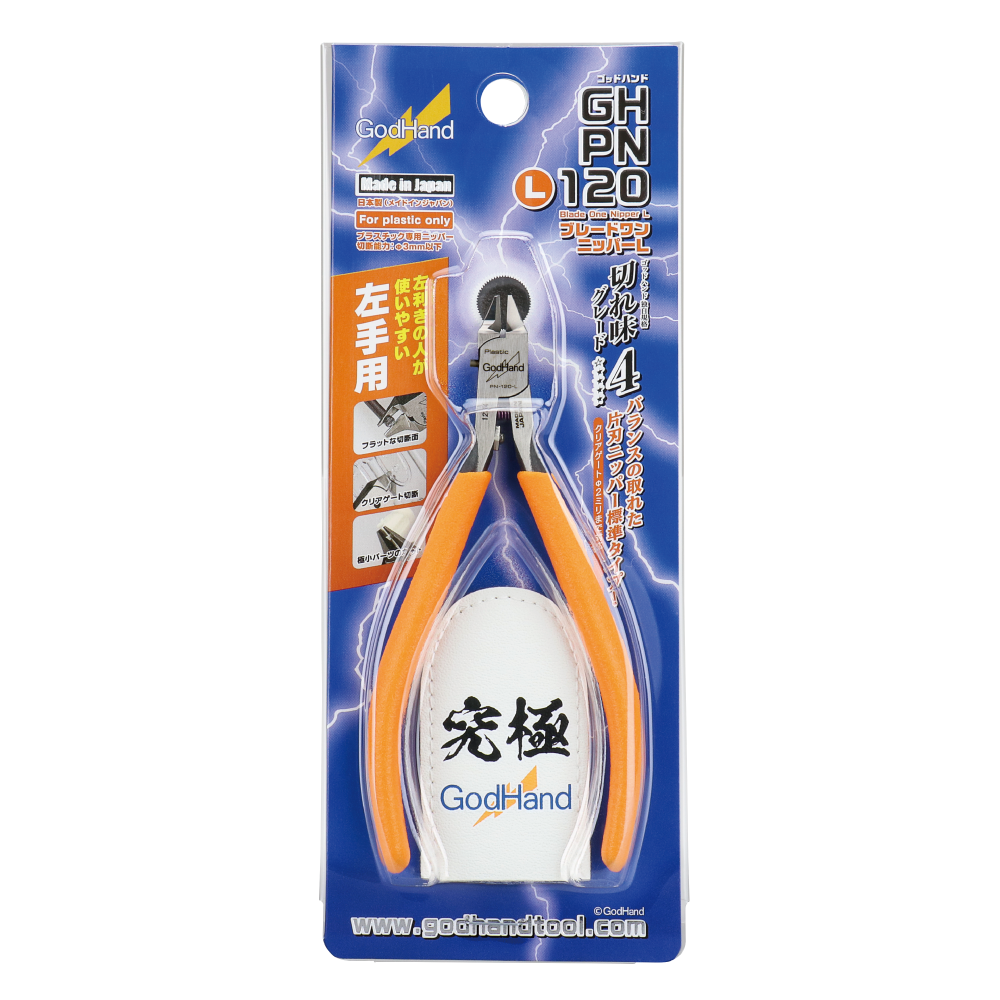
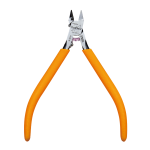
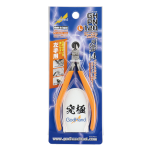
Left-handed Blade One Nipper is the left-handed version of GH-PN-120 Blade One nipper.
It is designed for left-handed users and anyone who prefers to use a nipper with their left hand.
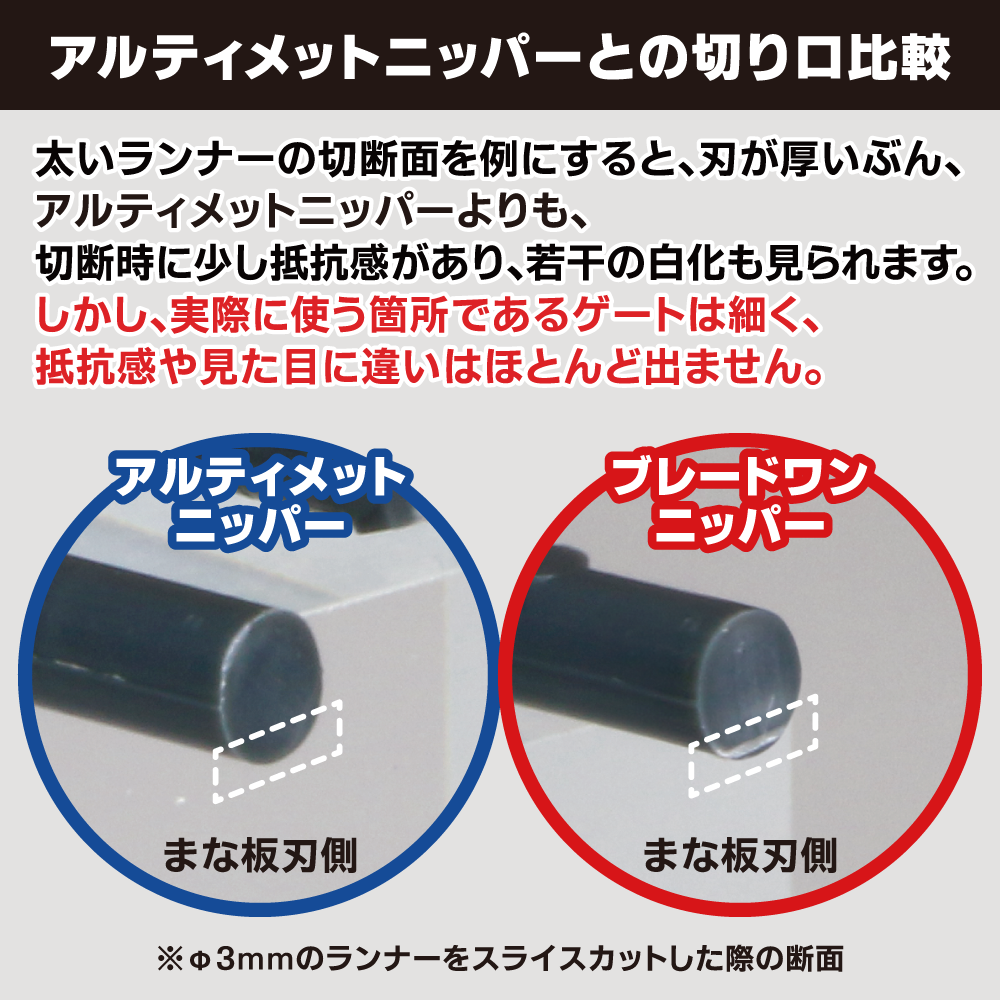
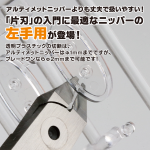
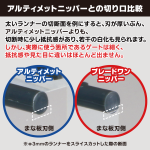
Like the standard Blade One Nipper, its cutting blade is thicker than that of GH-SPN-120 Ultimate Nipper. As a result, the cut surface may be slightly pushed toward the support-blade side, but the thicker blade also provides greater durability and toughness.
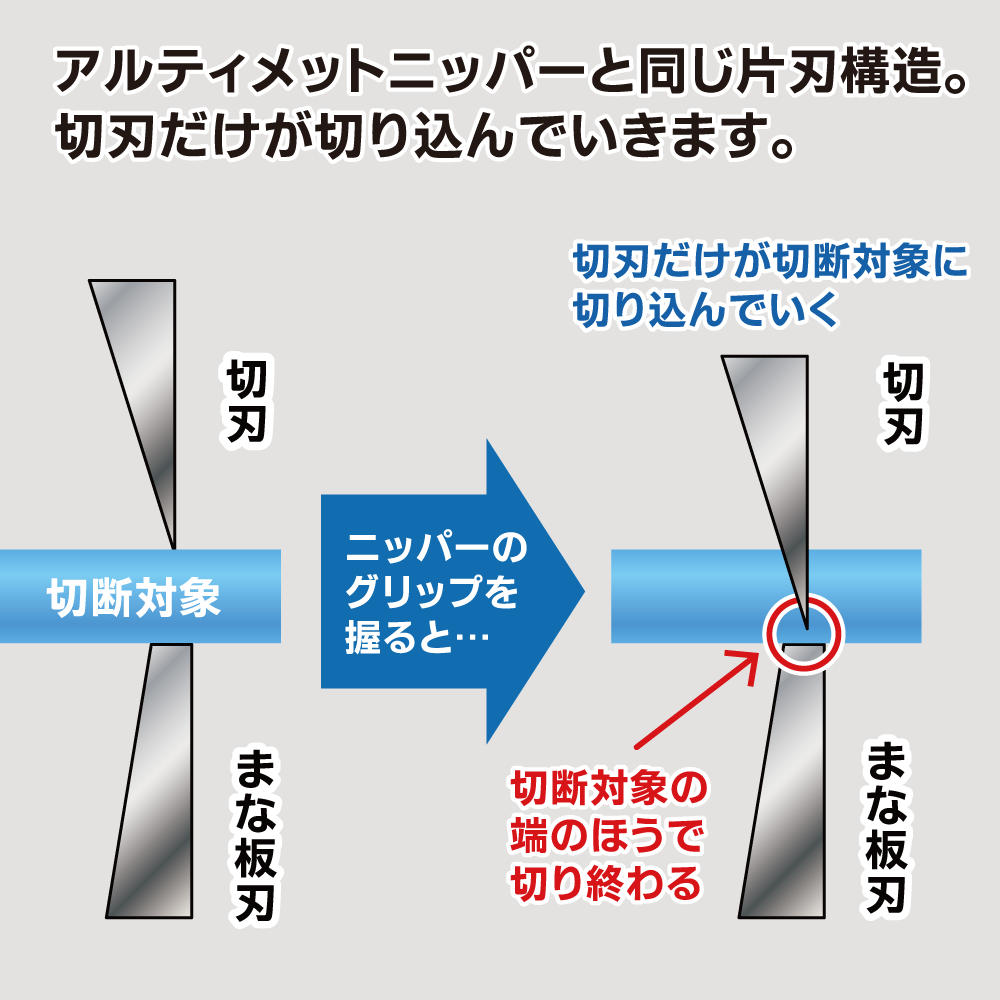
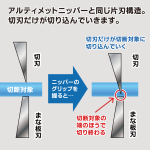
- Single-Edged structure that can be used in the same way as Ultimate Nipper
- Blade angle adjusted for greater durability and longer blade life than Ultimate Nipper
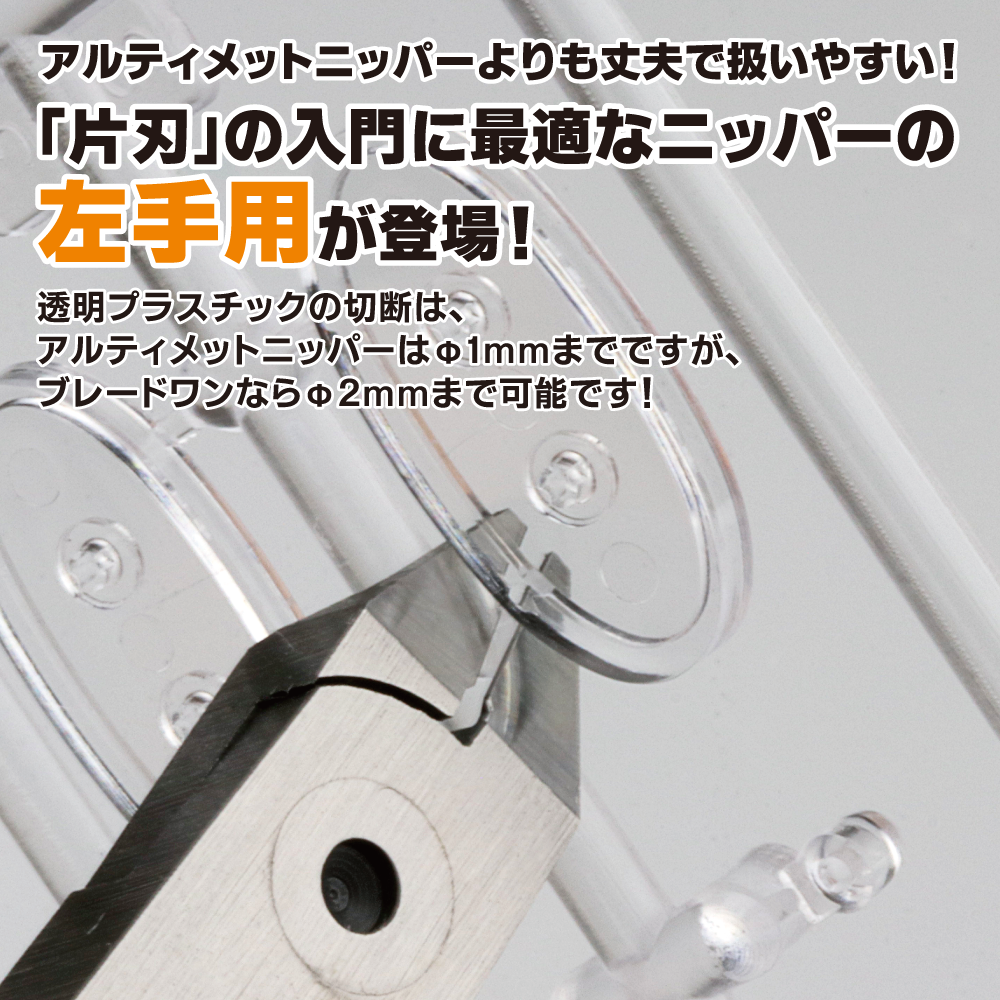
- Can cut transparent plastic runners up to Φ2 mm, compared with up to Φ1 mm for Ultimate Nipper
- Requires slightly more cutting force than Ultimate Nipper, but when using a slicing cut, the resulting cut surface is nearly identical
- Left-handed design for comfortable and easy use by left-handed users
- Depending on the position of the gate, right-handed users may also find this nipper effective in certain situations.
Left-handed Blade One Nipper
■Product Code:GH-PN-120-L
●Specifications
* Material: Special tool steel (manufactured by Kobe Steel, Ltd.)
* Overall Length: Approx. 120 mm
* Weight: Approx. 60 g
* Blade Hardness: HRC 58 or higher
* Single-edged structure
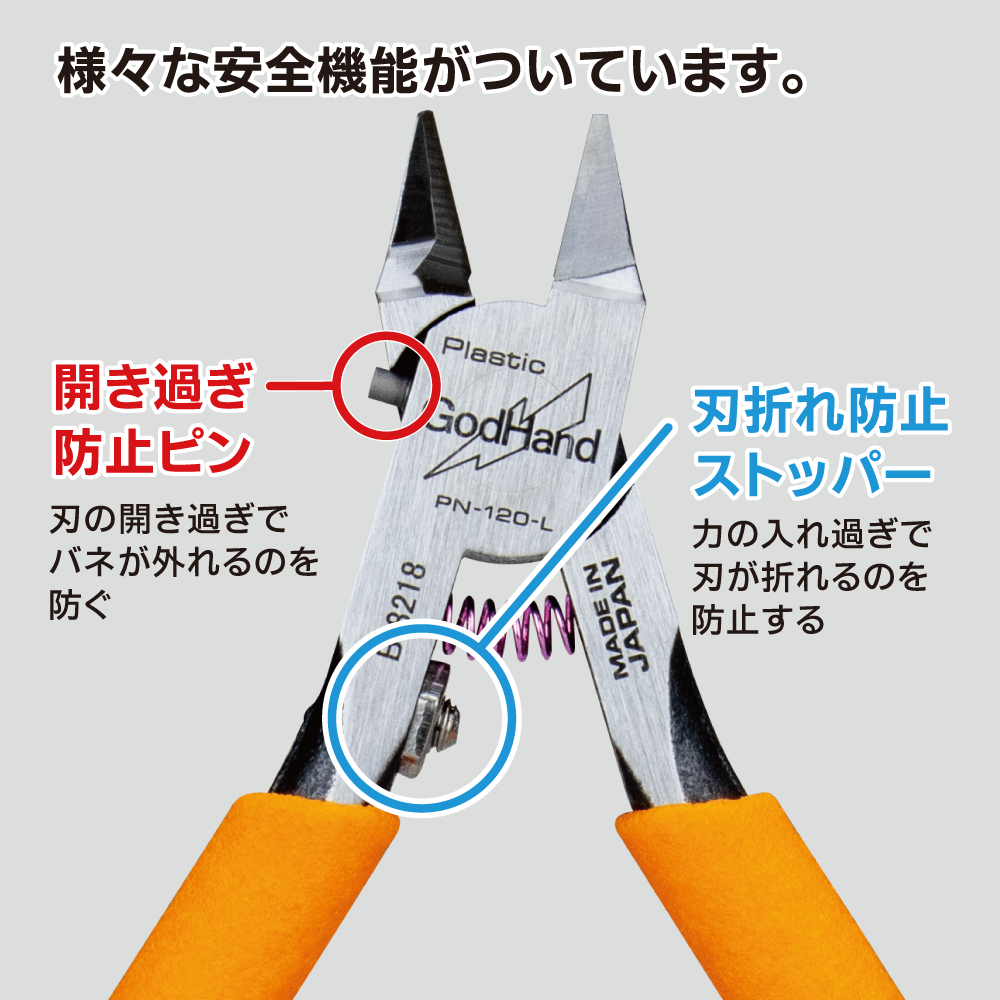
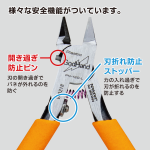
* Blade breakage prevention stopper
* Over-opening prevention pin
* Spring-loaded
* Soft-grip handles
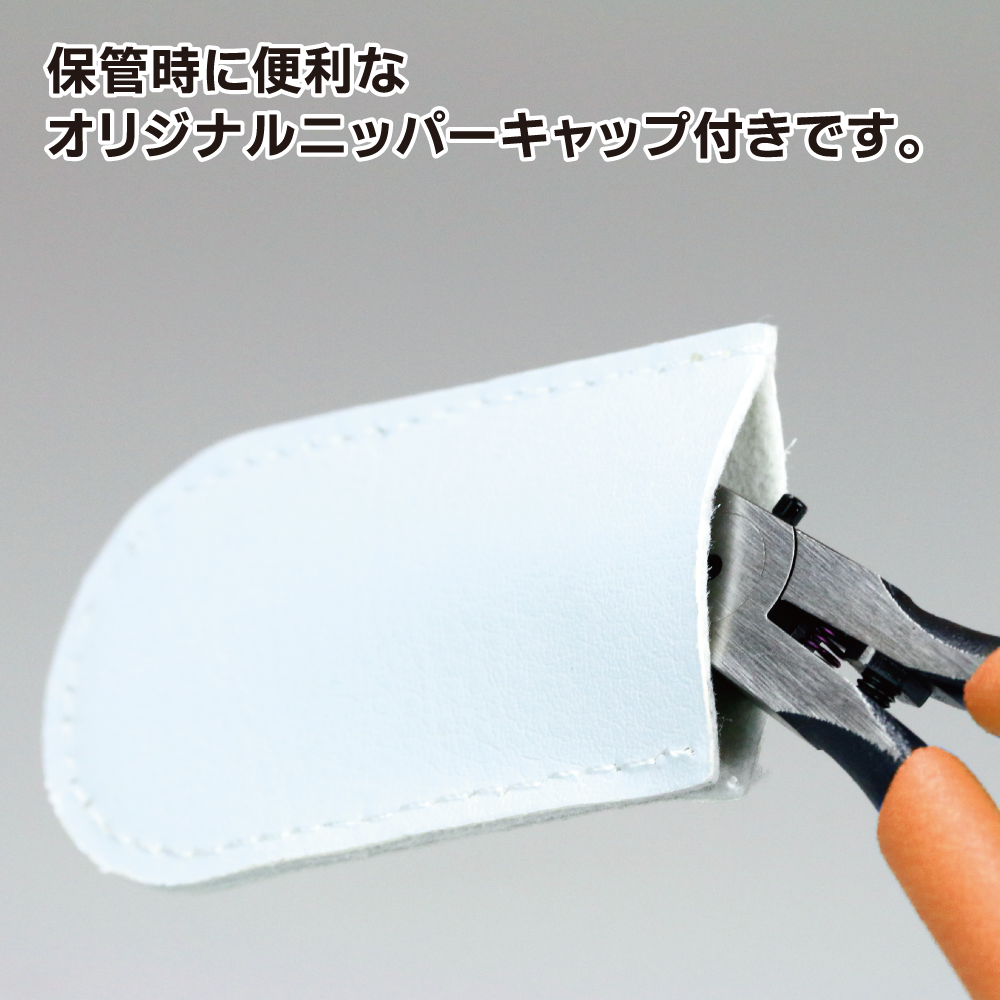
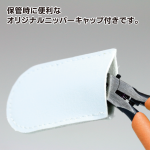
* Nipper cap included
* Left-handed model
●Cutting Capacity
* Compatible Materials: Plastic only (PS, PP, ABS, and PE)
* Cutting Capacity: Plastic runners made of compatible materials up to Φ3 mm
* Transparent and translucent PS plastic is harder than standard PS and should only be cut up to Φ2 mm
⚠ Cautions
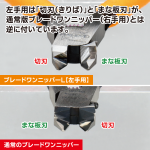
* The cutting blade and blunt blade are reversed compared with the standard Blade One Nipper.
* This is a precision nipper designed for sharp cutting performance. Improper use may cause the blade to chip or break.
* Only light pressure is required for cutting. Do not squeeze the handles with excessive force.
* The blade becomes thinner and more delicate toward the tip. Whenever possible, cut near the middle of the blade.
* Do not twist the blade while cutting or when removing the blade from the runner after a cut. Twisting places excessive stress on the blade and may cause it to break.
* Do not attempt to cut anything that does not fit within the length of the blade. Concentrated pressure on one section of the blade may cause it to bend or break.
* Do not use the nipper to cut plastic thicker than the specified cutting capacity or unsupported materials such as metal, resin, paper, etc.
* Do not use this nipper for cutting plastic sheets, tags, model parts, locating pins, or similar applications.
* During and after use, remove plastic debris from the blade with a toothbrush, blade brush, or similar tool.
Cutting while debris remains on the blade may place excessive stress on the blade and cause damage.
In particular, debris trapped near the base of the blade may cause looseness or play in the moving parts.
* Do not touch the edge of the cutting blade directly. The cutting blade is extremely sharp and may cause injury.
* Skin oils can cause rust. If you touch the metal parts directly, wipe off any fingerprints or residue and apply rust-preventive oil.
* Moisture can also cause rust. Apply rust-preventive oil regularly, especially during humid seasons.
* If lubrication of the moving parts becomes insufficient, the pivot may wear down, causing looseness and reduced cutting performance. Apply lubricating oil to the moving parts regularly.
* Always wear safety glasses when using this product.
* Cut pieces may fly off during use. Before cutting, make sure there are no people nearby and no fragile objects in the surrounding area.
* Keep out of reach of children.
* When not in use, attach the included nipper cap and store the nipper safely.